
Sometimes it’s wild how a cartoon can clock you when you least expect it. Like, you’re just lounging on the couch, laughing at little animated faces, and then—bam—suddenly you’re seen in a way nobody else ever bothered to see you. That happened to me with Steven Universe, during a scene that lasted all of two minutes but still lives rent free in my chest.
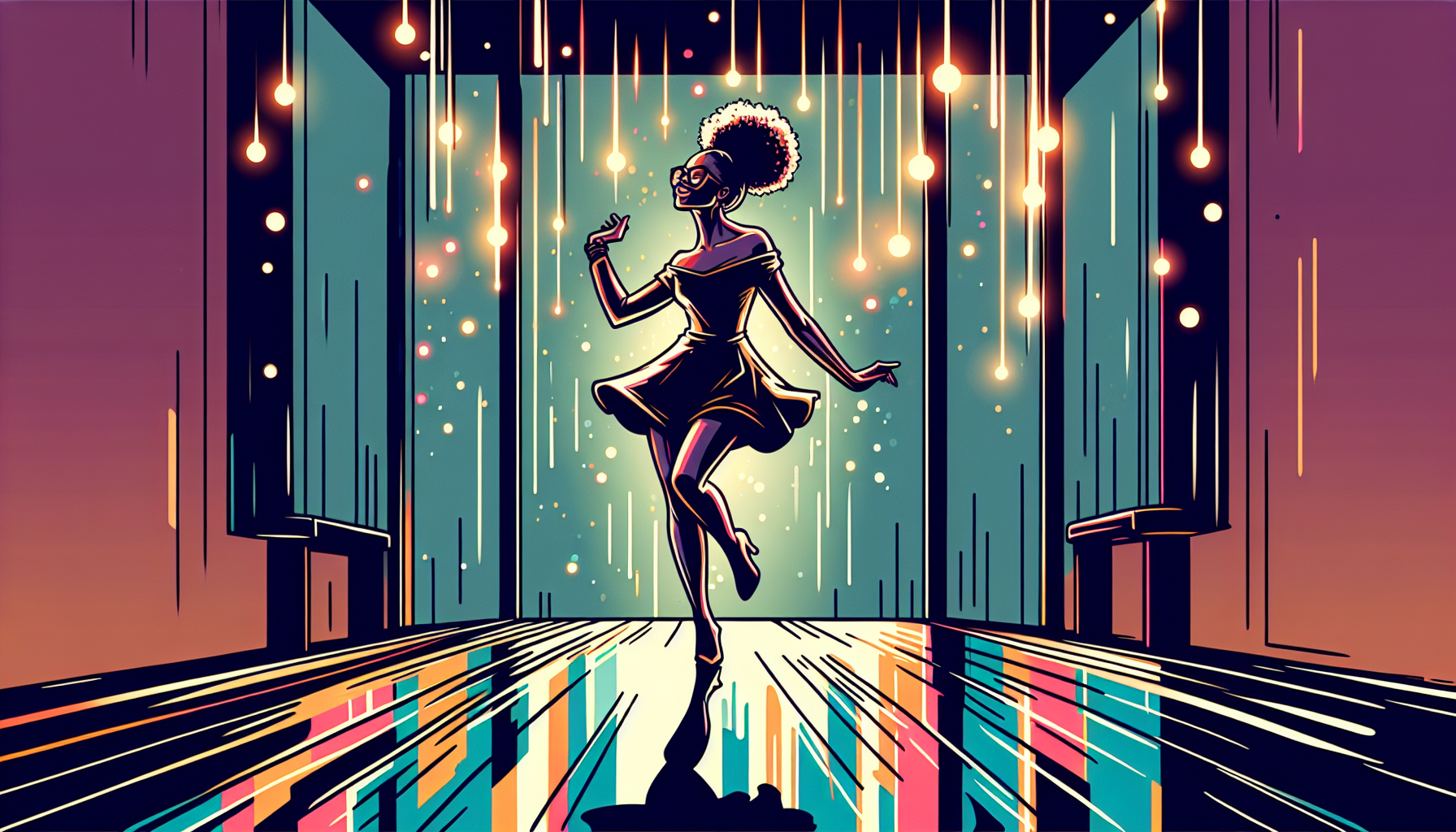
It’s the scene where Garnet—tall, composed, unfazed Garnet—lets herself dance. Not for show, not to save the world, but just because she wants to. There’s music, a gentle sway, and then she laughs in this soft, open way that feels like exhaling after holding your breath all day. I remember watching her move, all those sharp edges just melting, and thinking: oh, that’s what it’s like to be safe in your own skin.
As a Black queer person, sometimes there’s this pressure to always be on: to be strong, to be clever, to be the punchline or the backbone. But watching Garnet let herself be playful—just for herself—felt like getting permission I didn’t know I needed. It reminded me of nights dancing in my room, headphones on, door closed, where no one could see how soft I really am. There’s a special kind of freedom in that privacy, a joy that comes only when you know nobody’s judging how you take up space.
I love that a cartoon could do that for me. Remind me that strength and softness aren’t opposites, that queer joy can look like a quiet dance in the middle of chaos. Sometimes, the most revolutionary thing you can do is let yourself be seen—by a cartoon, by yourself, by whoever’s willing to look a little deeper. And honestly, if Garnet can let loose for a minute, maybe I can, too.