
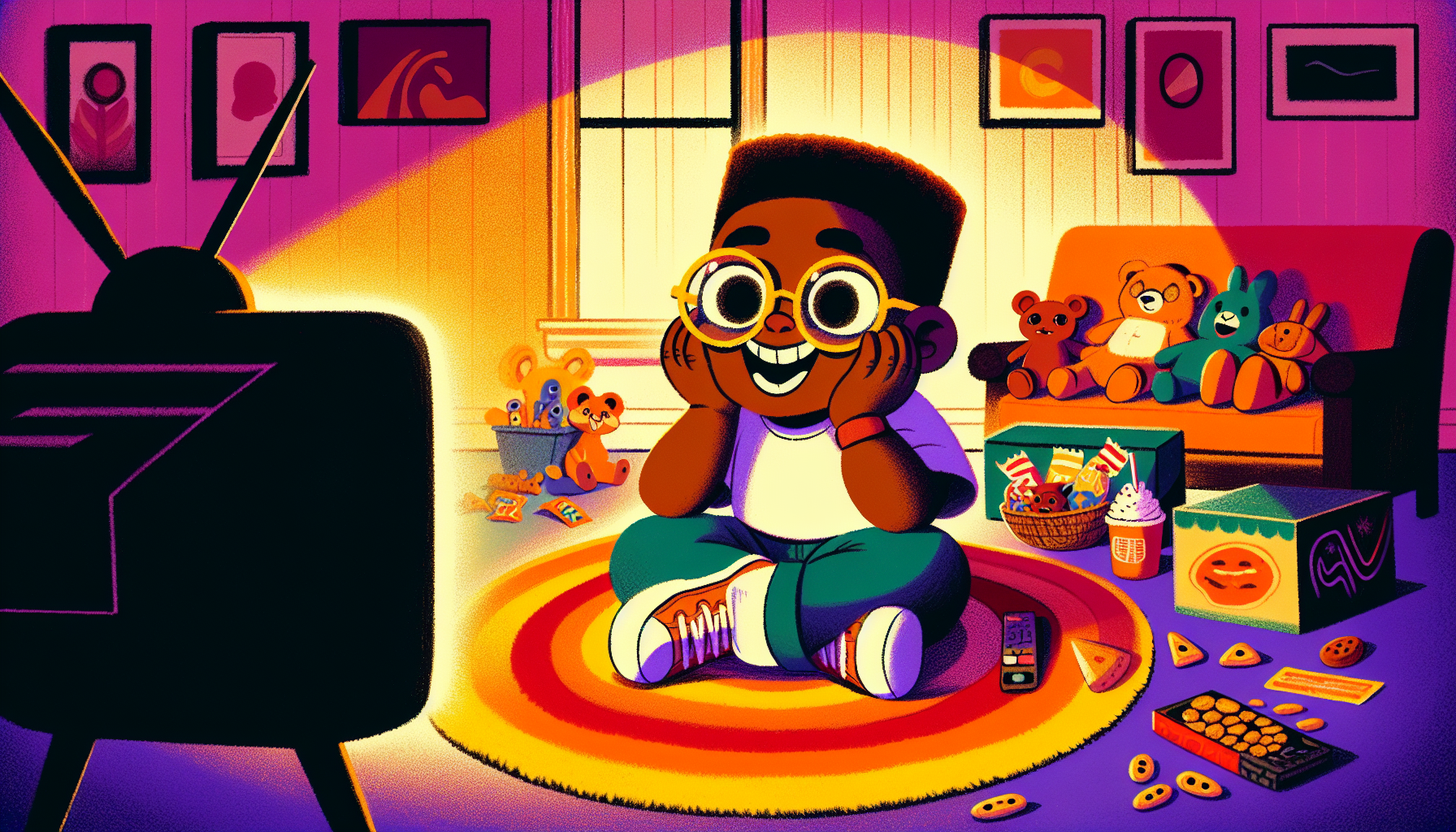
The other night I found myself back in the arms of Saturday morning, the kind of nostalgia that sneaks up on you when you’re just flipping through channels, minding your Black queer business. I landed on one of those old cartoons—no need to name names, you know the ones, technicolor dreams and characters with voices I could mimic before I even knew who I was. I wasn’t expecting anything but background noise, but then a scene stopped me: the sidekick character, usually the comic relief, got quiet. He looked at the hero and said something like, “I just want to fit in, but I don’t know how.” His voice got small. For a cartoon, that moment felt big.
I felt a little zing in my chest, the kind that says, oh, you too? Suddenly I remembered being eight, knees pulled to my chest in front of the TV, not knowing why I felt different but knowing I was. That cartoon sidekick, all awkward and soft and weirdly hopeful, felt closer to me than any of the shiny heroes ever did. He wasn’t the star, but he was the one I wanted to be friends with, the one I understood. It’s funny how a cartoon character’s tiny confession can light up some dusty corner of your heart you forgot was there.
Watching him try to belong, I caught myself rooting for him, out loud, like I was cheering for the part of me that still feels a little sideways in a room. It’s wild how queerness finds its reflection in the most unexpected places. I didn’t see myself on screen back then, not really, but I saw that longing, that gentle ache to just be okay as you are. Maybe that’s why I keep coming back to these old shows, even now—a little recognition flickers, and suddenly the room feels warmer.
So yeah, shout out to the awkward sidekicks everywhere. Sometimes the tiniest on-screen moment is enough to remind you: your softness has always been real, and you’ve never been alone in it.